
Exploring the cultural nuances of gambling across different societies
The Historical Context of Gambling
Gambling has been an integral part of human civilization for centuries, with its roots tracing back to ancient societies. From the dice used in Mesopotamia over 4,000 years ago to the betting on chariot races in ancient Rome, the practice has evolved significantly. Each culture has its unique perspective on gambling, influenced by social norms, economic conditions, and religious beliefs. The presence of games of chance in history highlights the universal attraction to risk and reward, often reflecting broader societal values. For more information about the evolution of gambling, you can visit https://fortislots.uk/.
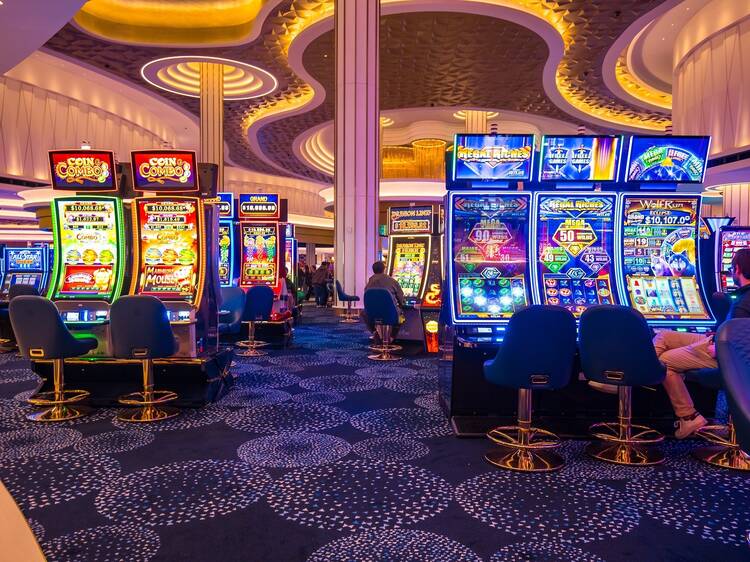
In many early societies, gambling was intertwined with rituals and beliefs. For instance, the Chinese used gambling as a means to communicate with the spiritual world, with games often being part of religious ceremonies. Similarly, in some Native American cultures, gambling was not only a leisure activity but also a way to strengthen community ties and foster social cohesion. These historical contexts serve to illustrate that gambling is not just a pastime but a reflection of cultural identity.
As societies progressed, the perception of gambling shifted. In medieval Europe, it was often viewed with suspicion and associated with vice. However, as the Enlightenment ushered in new ideas about individual freedom and personal choice, gambling began to gain acceptance. This transformation emphasizes how cultural attitudes toward gambling are not static but rather evolve in tandem with social changes, revealing deeper insights into the values of a society.
Gambling and Cultural Identity
The role of gambling in shaping cultural identity is particularly evident in regions where it is a prominent activity. For instance, in the United States, Las Vegas has become synonymous with gambling, representing not just a city but a cultural phenomenon. This association has created a unique identity around risk-taking and entertainment, drawing millions of visitors each year. The glitzy atmosphere and the allure of winning big encapsulate the American Dream, highlighting the intersection of gambling with cultural narratives.
In contrast, countries like Japan approach gambling with more restraint. The Japanese have a complex relationship with gambling, often limited to specific forms like Pachinko, which blends gaming with entertainment. This nuanced view reflects societal values that prioritize moderation and discipline. As such, gambling becomes a social activity rather than an individual pursuit, showcasing how cultural norms shape the practice and perception of gambling across different societies.
Additionally, in countries such as Sweden and Finland, gambling is heavily regulated and often associated with responsible gaming initiatives. The cultural emphasis on welfare and public health influences how gambling is integrated into society, showing a collective responsibility towards the potential risks associated with it. This balance between enjoyment and responsibility underscores the diverse interpretations of gambling and its place within cultural frameworks.
Modern Gambling and Technological Influence
The advent of technology has revolutionized the gambling landscape, bringing forth online gaming and mobile applications that have transformed how people engage with games of chance. This shift has blurred geographical boundaries, allowing individuals from diverse cultures to participate in global gambling markets. The rise of online casinos exemplifies this phenomenon, with platforms catering to different preferences and cultural contexts, making gambling more accessible than ever before.
As technology evolves, so does the nature of gambling itself. Virtual reality and live dealer games have introduced immersive experiences, creating a sense of presence that traditional casinos may struggle to replicate. The integration of advanced technology is reshaping social interactions and gaming behaviors, influencing cultural perceptions of what gambling means today. This evolution highlights how societies adapt to technological advancements while negotiating their cultural values.
Moreover, the impact of social media cannot be overlooked. Platforms like Instagram and TikTok have created a new form of advertising and engagement in the gambling world, particularly among younger audiences. The cultural implications of this trend raise questions about responsibility, as influencers can shape attitudes towards gambling in ways that may glamorize or trivialize its risks. Understanding these dynamics is essential for recognizing how modern societies engage with gambling in a digital age.
Regulations and Ethical Considerations
The varying regulations surrounding gambling across cultures present a fascinating study in contrast. In some countries, such as the United Kingdom, gambling is seen as a legitimate form of entertainment, with comprehensive regulations in place to protect consumers. The emphasis on responsible gaming and consumer protection reflects a cultural commitment to ensuring that gambling is conducted safely and ethically. These regulations also shape public perceptions, framing gambling as a responsible leisure activity when managed correctly.
Conversely, in places where gambling is stigmatized or outright banned, such as in certain Middle Eastern countries, the cultural narrative often focuses on the potential harms of gambling. This has led to a culture of secrecy and underground gambling operations, illustrating how legal frameworks can significantly impact social behavior and attitudes. The complex interplay between legality and cultural values highlights the need for sensitive approaches to gambling policies that consider local traditions and beliefs.
Furthermore, ethical considerations are paramount in discussions about gambling. Concerns about addiction and its societal impacts necessitate ongoing dialogue and education. Cultures that prioritize community welfare may adopt more stringent regulations and preventive measures, while those that view gambling as a personal choice might focus on individual responsibility. These varying approaches reflect deeper societal values about personal freedom, community responsibility, and the role of government in regulating behavior.

FortiSlots: A Modern Approach to Gambling
FortiSlots embodies a modern interpretation of gambling that aligns with contemporary societal values. As an online casino platform, it offers a vast selection of high-quality slot games and live casino options that cater to diverse audiences. With an emphasis on user experience, FortiSlots provides quick registrations and generous bonuses, making it an attractive choice for players looking for excitement in a responsible gaming environment.
Recognizing the importance of ethical gaming, FortiSlots prioritizes player safety and responsible gaming practices. By implementing secure transaction methods and promoting awareness of gambling-related risks, the platform aligns itself with broader cultural movements that advocate for player protection. This focus on accountability demonstrates an understanding of the diverse cultural attitudes toward gambling, ensuring that it meets the needs of its users while fostering a positive gaming experience.
As the gambling landscape continues to evolve, platforms like FortiSlots are at the forefront, adapting to changing technologies and cultural expectations. By offering innovative gameplay and exceptional customer support, it not only contributes to the entertainment industry but also engages in the ongoing dialogue about the cultural implications of gambling in society. This modern approach ensures that players can enjoy their gaming experiences responsibly and ethically.